“I Have Nothing to Hide”
This article was originally published in German by taz, online and in the 25.09.2025 issue

Photo: Marek Zimakiewicz
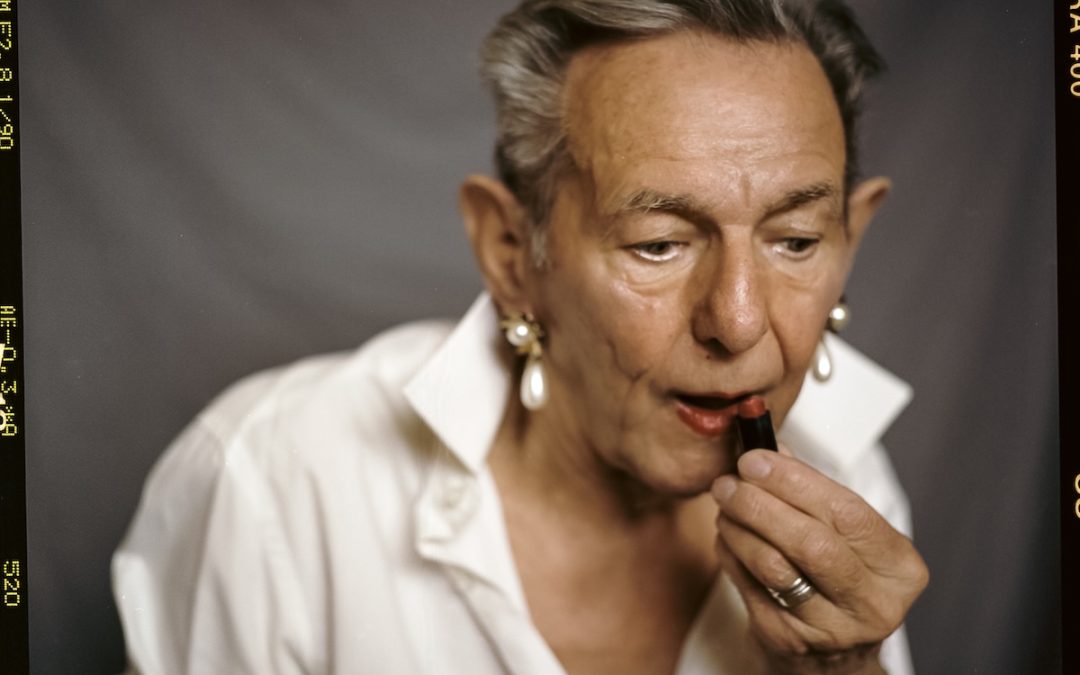
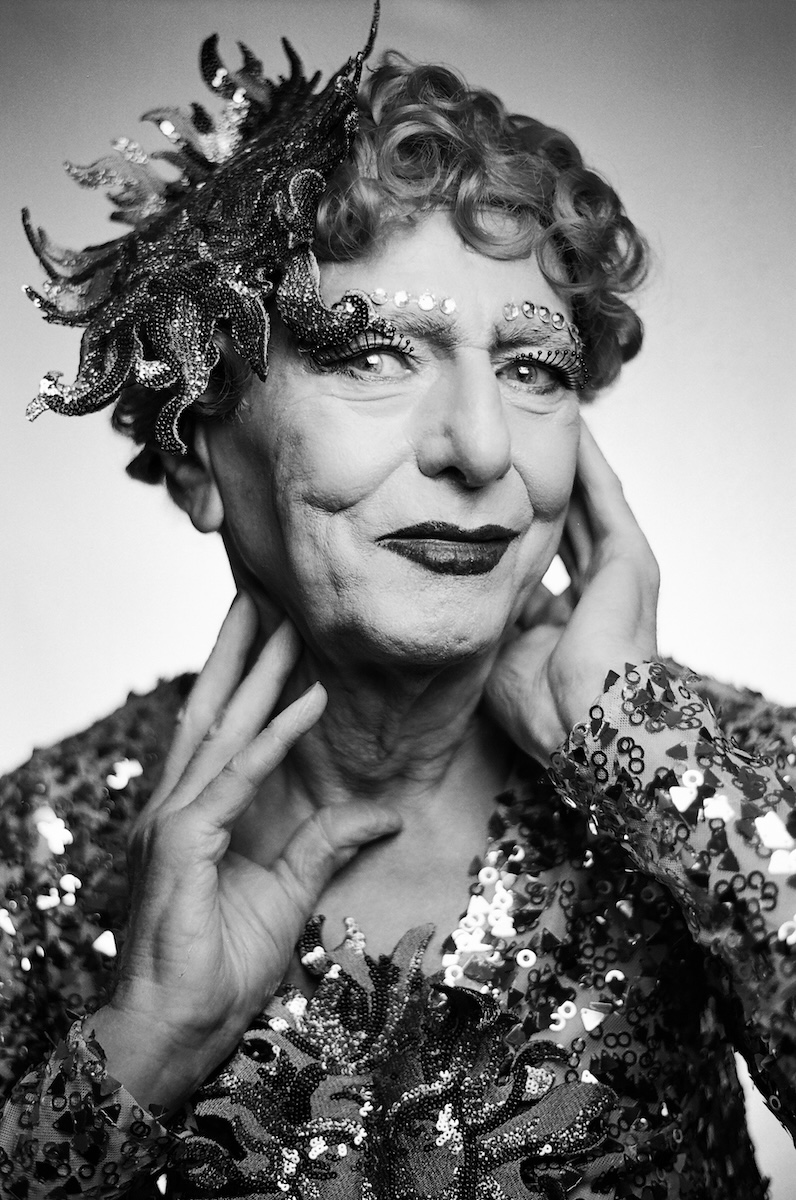
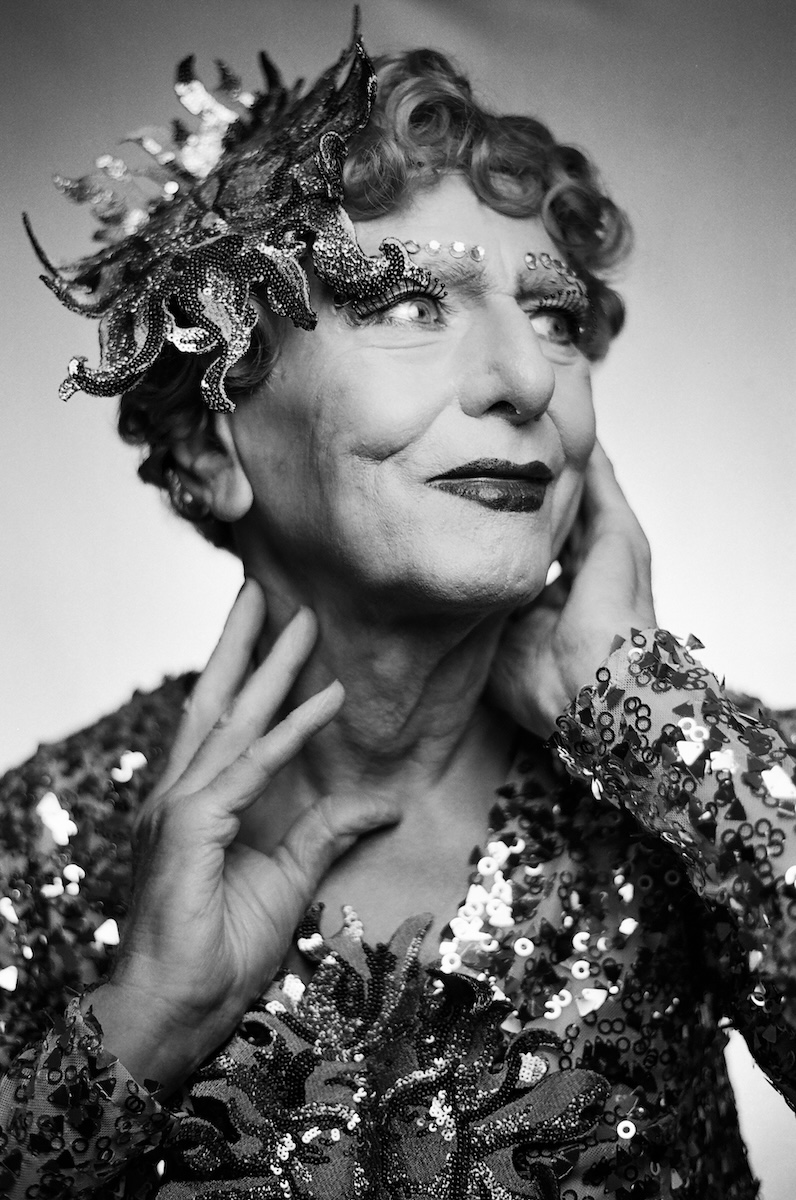
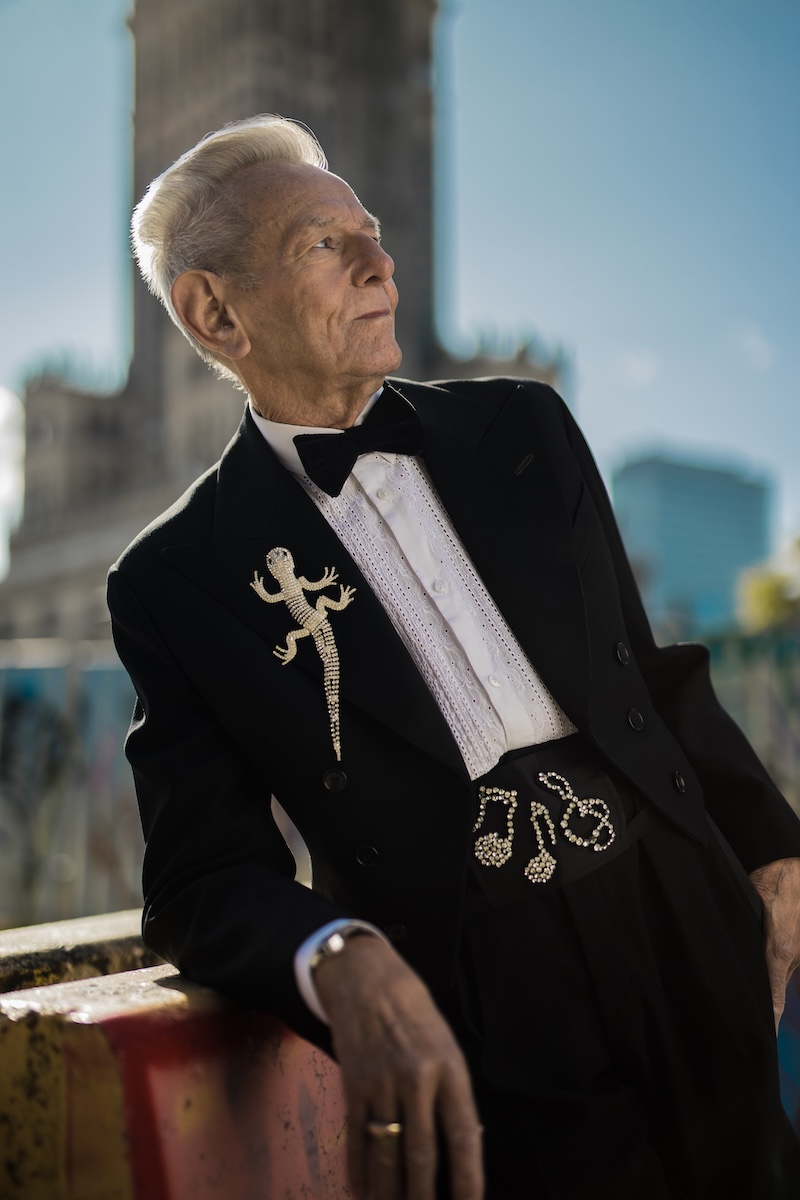
WARSAW | Poland’s oldest drag queen is called Lulla la Polaca, and she is 87. In mid-August, she celebrated her birthday with a glamorous drag show and party at a Warsaw bar. We meet her at the Queer Muzeum in the city center.
Afternoon light falls into the first-floor room; outside, trams regularly rattle along the busy Ulica Marszałkowska. Inside, labeled boxes from the Lambda Archive collection are piled high. In December 2024, Eastern Europe’s first queer museum opened here.
Lulla uses both names – Lulla and her birth name, Andrzej Szwan, switching between he and she pronouns.
“Sometimes people ask if I still have the energy for all my projects. The answer is: as long as I can speak, participate, and be part of the queer community, I feel honored.
“I’ve survived too much to just sit at home, stare at the ceiling, and count the flies on the lamp,” she tells taz.
Andrzej was born in Warsaw in 1938 and, apart from a few periods working abroad, has lived there all his life. Public recognition came late in her life — Lulla was over seventy when she perfomed at her first drag show. But Andrzej had been active in Warsaw’s queer community long before that.
Thin Straps with Sequins
One floor below, in the Queer Muzeum Lulla’s life is now part of the permanent exhibition on queerness in Poland from the 1960s through the 1990s. Next to photos and a short text providing historical context stand Lulla’s black high heels — thin stiletto heels, narrow straps adorned with sequins and studs. She says she never actually managed to wear them in a show — too high, too hard to walk in.
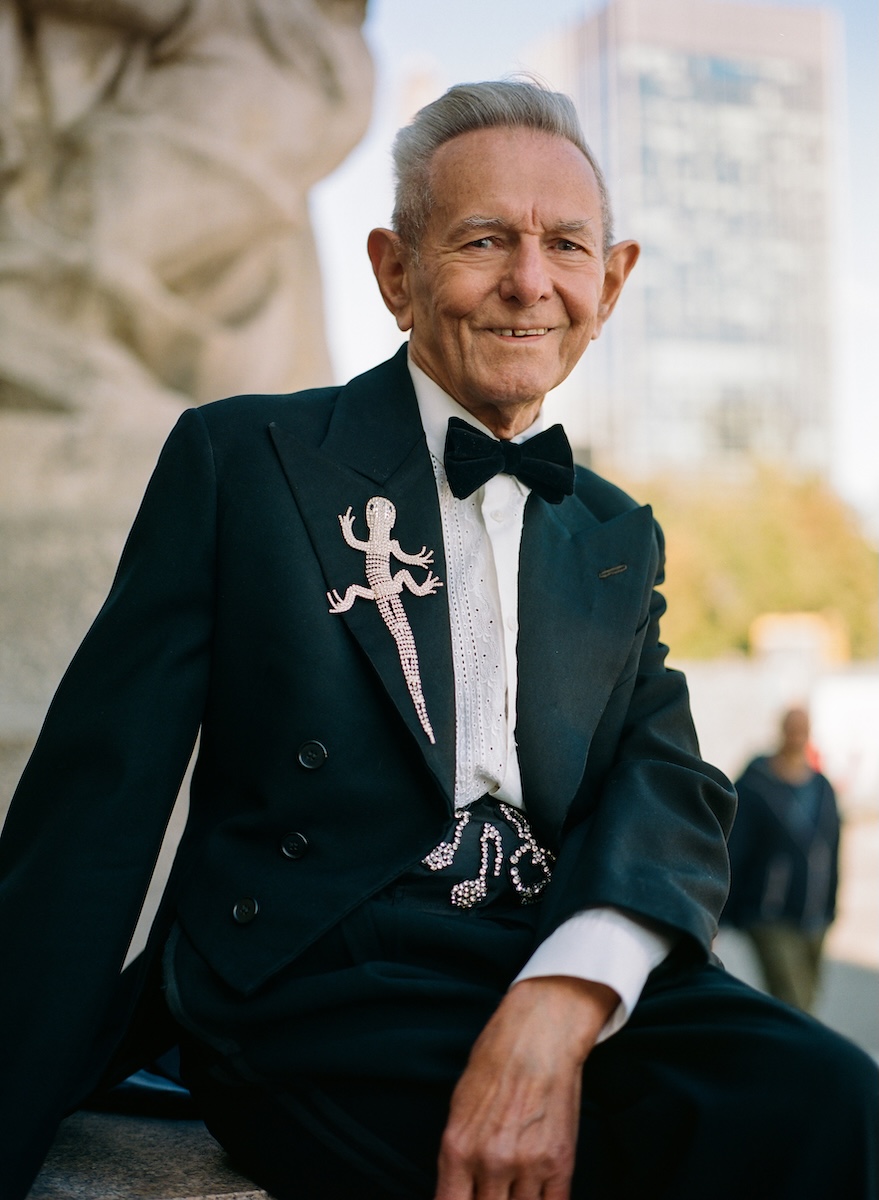
Today, Andrzej is not in drag: he wears gray fabric trousers and a floral T-shirt. His short hair is slicked back. Pointing to his red slippers, he mentions his knee problems.
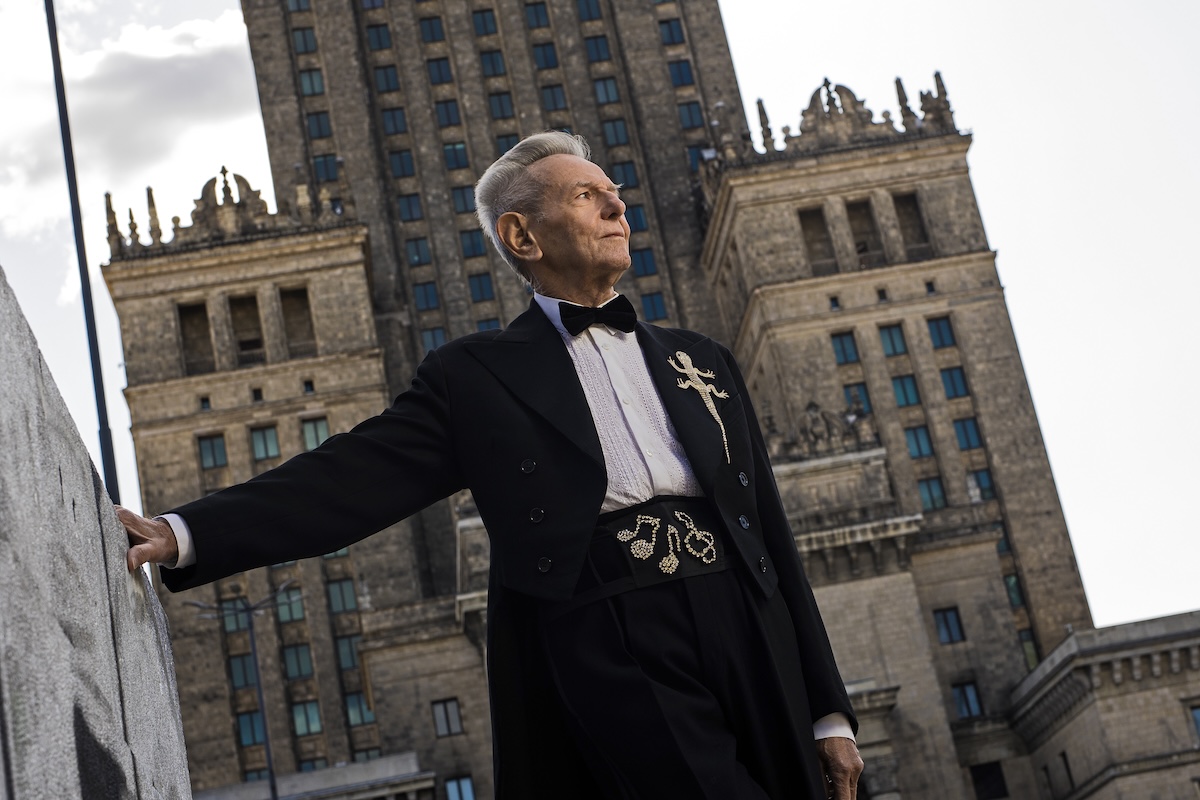
Photo: Marek Zimakiewicz
Recently, a doctor advised him to forget about high heels — those days were over. But Lulla still wears the most comfortable pairs from her collection of forty shoes for performances and photo shoots. She has already donated four of her stage outfits to the museum. “I know they’re being stored somewhere,” Lulla jokes, “but where will they be displayed? Is there still room on a lamp or a chandelier?” Space in the museum and archive is limited.
The bond with the Queer Muzeum is felt throughout the conversation. “I’m proud to live in a city that has such a museum. It’s the fifth queer museum in the world. The last costume exhibition came straight from the States — here I can see things that I’d otherwise have to travel to Berlin or Paris for.”
From below, through the open spiral staircase, we hear visitors in the exhibition room playing audio tracks of chapters from queer history. Lulla tries to attend all meetings of Lambda Senior, organized by Krzysztof Kliszczyński — head of the museum and founder of the Lambda Archive — to give older queers a space for exchange.
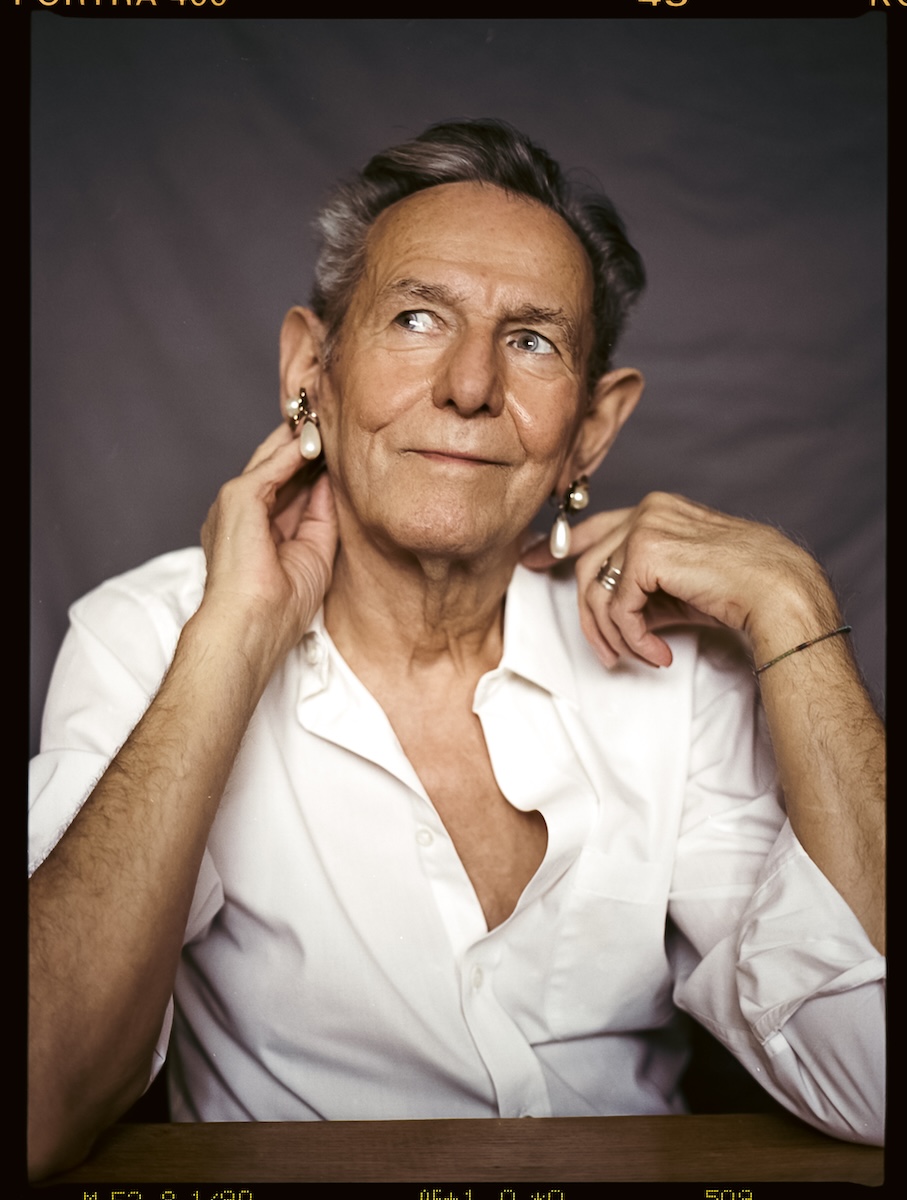
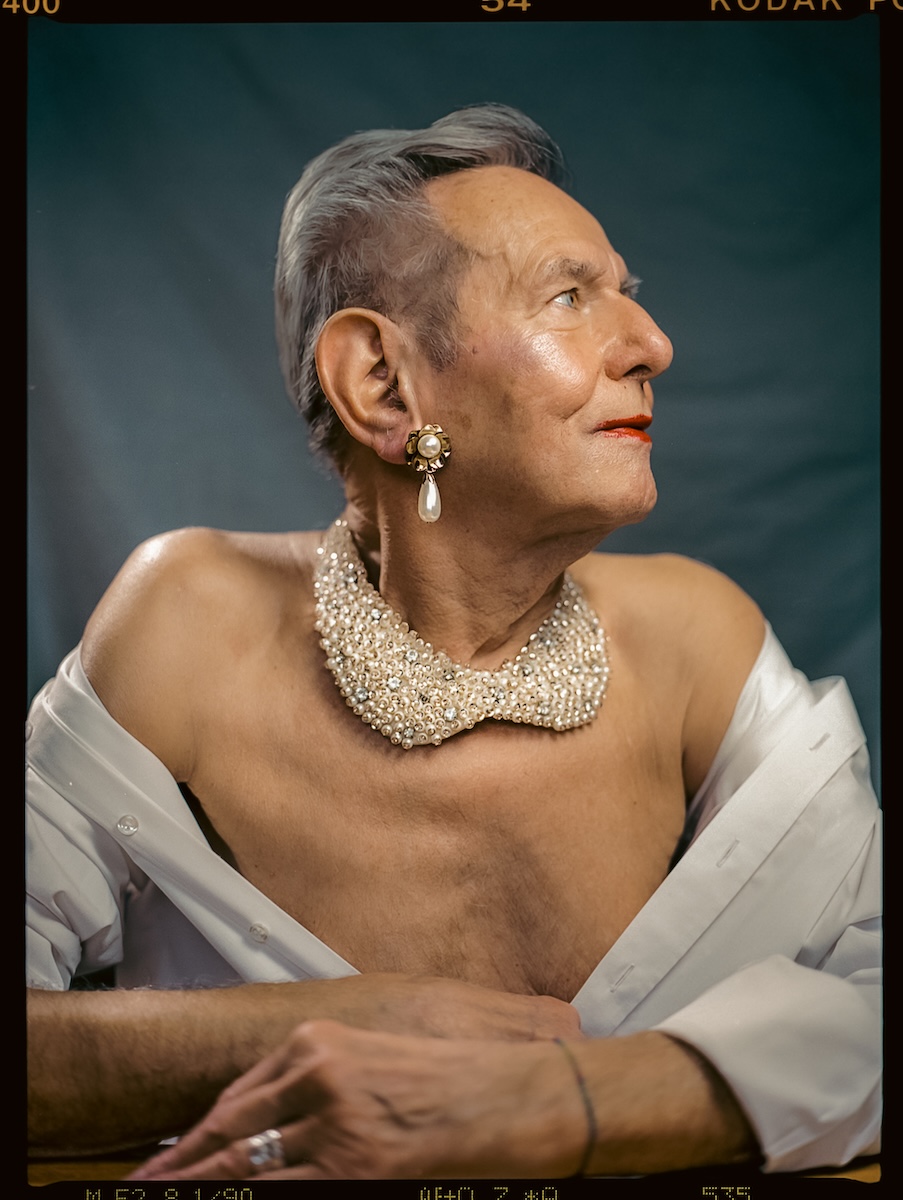
Photos: Marek Zimakiewicz
When Andrzej reflects on his life in the People’s Republic of Poland before 1989, he speaks of dreariness and the lack of public queer spaces. But he also recalls where Warsaw’s gay scene used to meet — which cafés he would visit in search of a flirt or familiar faces, and which public restrooms were the most popular cruising spots.
“People didn’t talk openly about such things.”
Andrzej remembers wild parties in the apartments of his gay friends. They used female pseudonyms and wore women’s clothing for the occasion.
He vividly recalls buying his first sequined skirt for a New Year’s Eve party in 1987. With him was a friend he calls Maryla. People in the department store reacted in all sorts of ways to two men calling each other by women’s names and trying on a skirt. “Some laughed, some were surprised, some probably thought we were sick. That’s how it was then. People didn’t speak openly about such things — but our community was alive!”
Still, he told the saleswoman the skirt was for his sister. “I was younger then. Today I wouldn’t behave like that. I’d say: ‘The skirt’s for me, I’m going on stage.’ I have nothing to hide,” says Andrzej.
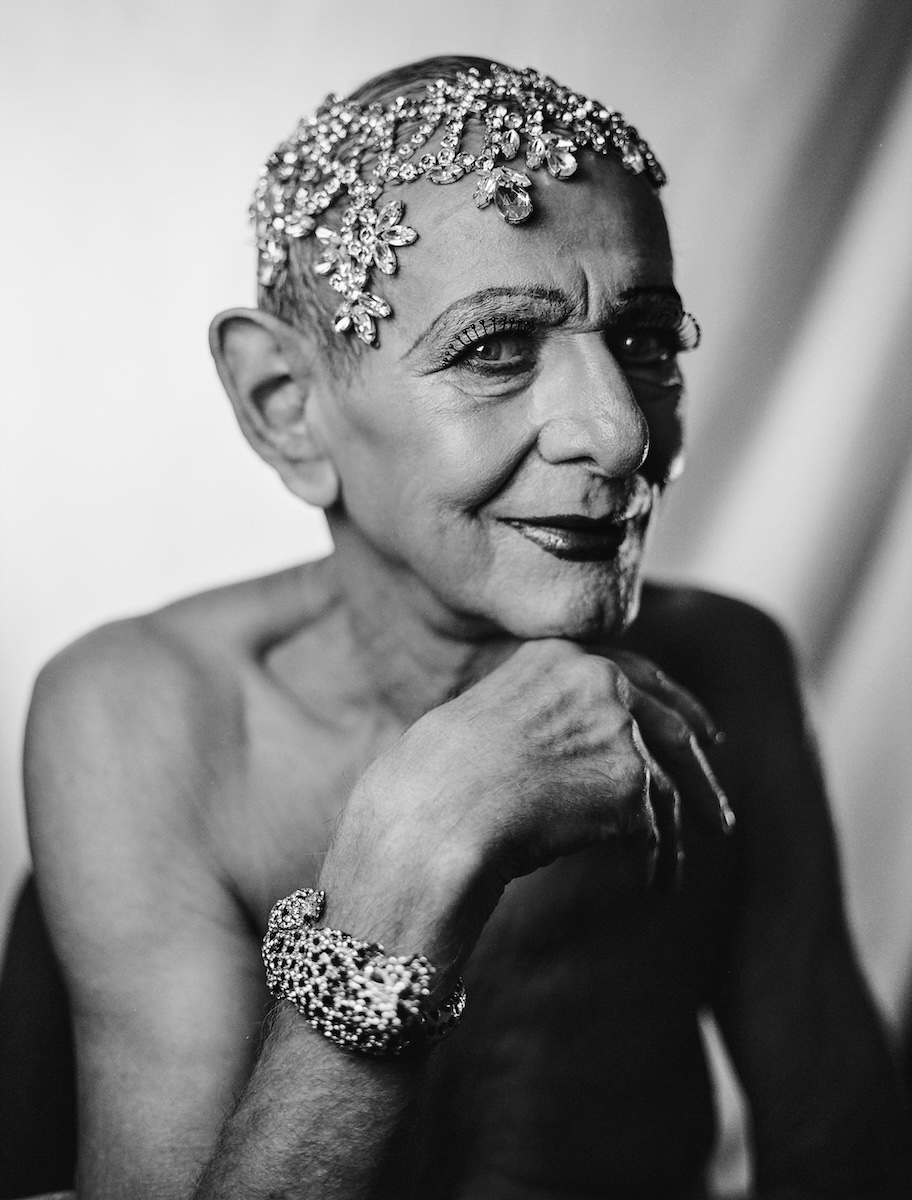
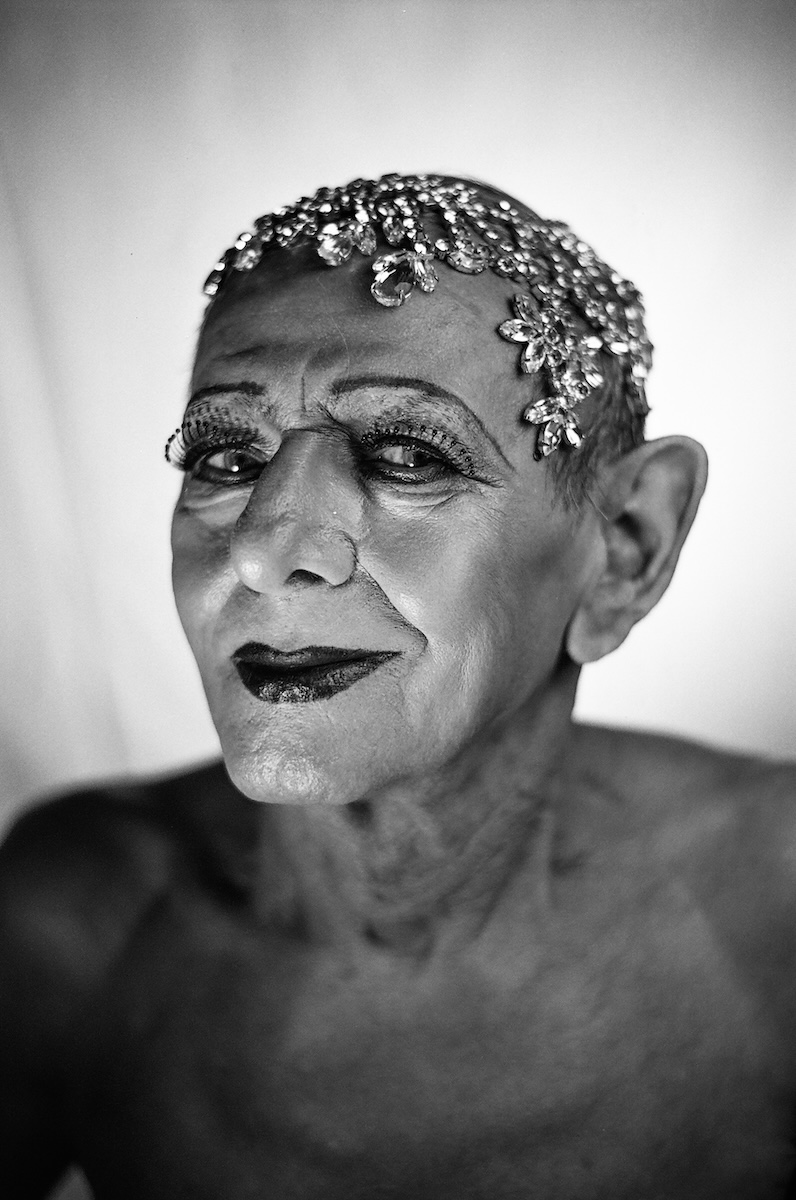
Photos: Marek Zimakiewicz
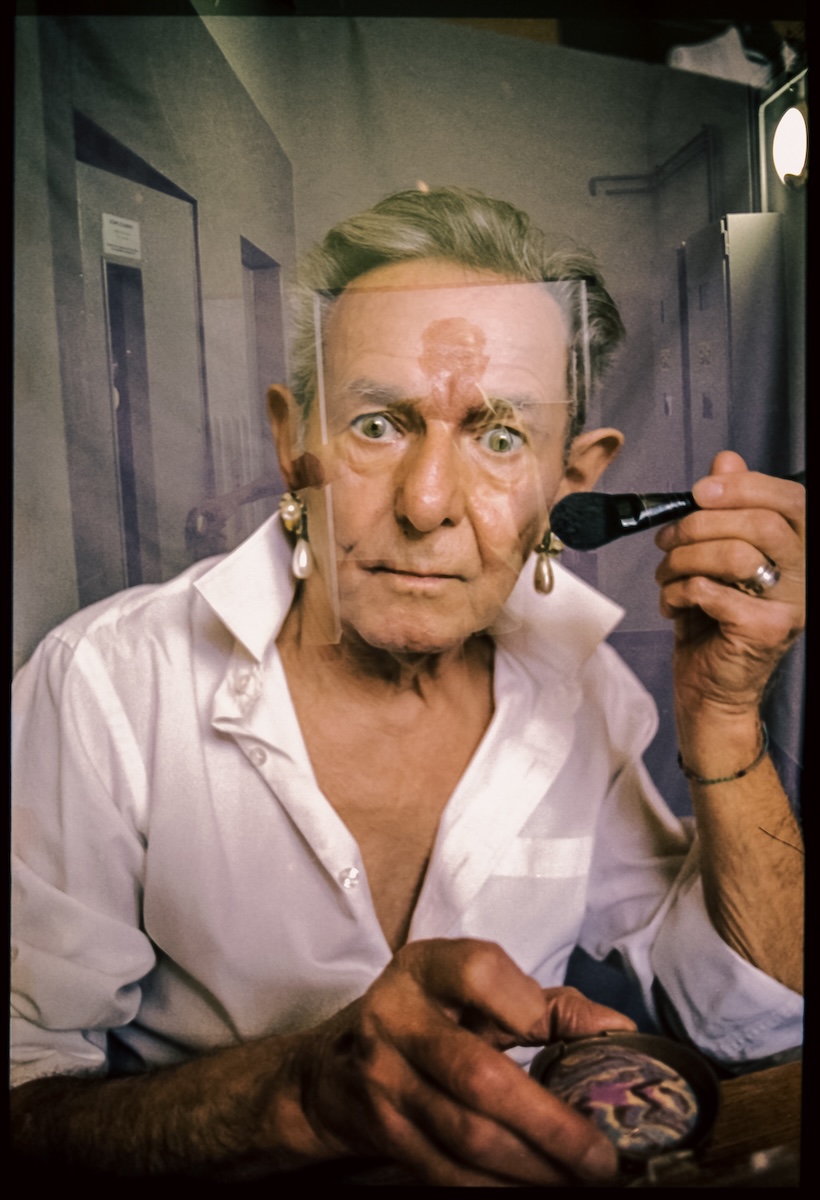
Lulla distinguishes between dressing up at private parties back then and what she now understands as drag — as an art form. “Drag only came into my life in 2008, through meeting the drag queen Kim Lee,” Lulla says. She was nearly seventy at the time.
She met Kim Lee after one of her shows at the now-closed Club Galeria in Warsaw. The friendship that began there changed Lulla’s life. She remembers entering Kim Lee’s tiny dressing room — hats, fans, necklaces, and gloves neatly arranged, dresses hung in order — everything in its place.
Their first joint performance took place on November 29, 2012, for Andrzejki, the eve of Andrzej’s name day, traditionally celebrated in Poland with fortune-telling rituals. Fifty people attended the private house event. Kim Lee did Lulla’s makeup — everything was ready.
“Just before the show, I got cold feet and told Kim: ‘I don’t think it makes sense for me to go on stage.’ Kim was already dressed, the wig was on, and she said: ‘Auntie, give yourself a kick in the butt and get on that stage.’ And that was that. She’s gone now, but I’m still swirling across stages.”
“Boylesque”
In late 2020, Kim Lee — then Poland’s most famous drag queen — died at 48 from a Covid infection. Lulla speaks of her with tenderness and gratitude, emphasizing how important it is to honor Kim Lee’s legacy to Poland’s queer community. For the fifth anniversary of her death in December 2025, Lulla plans to organize a memorial drag event.
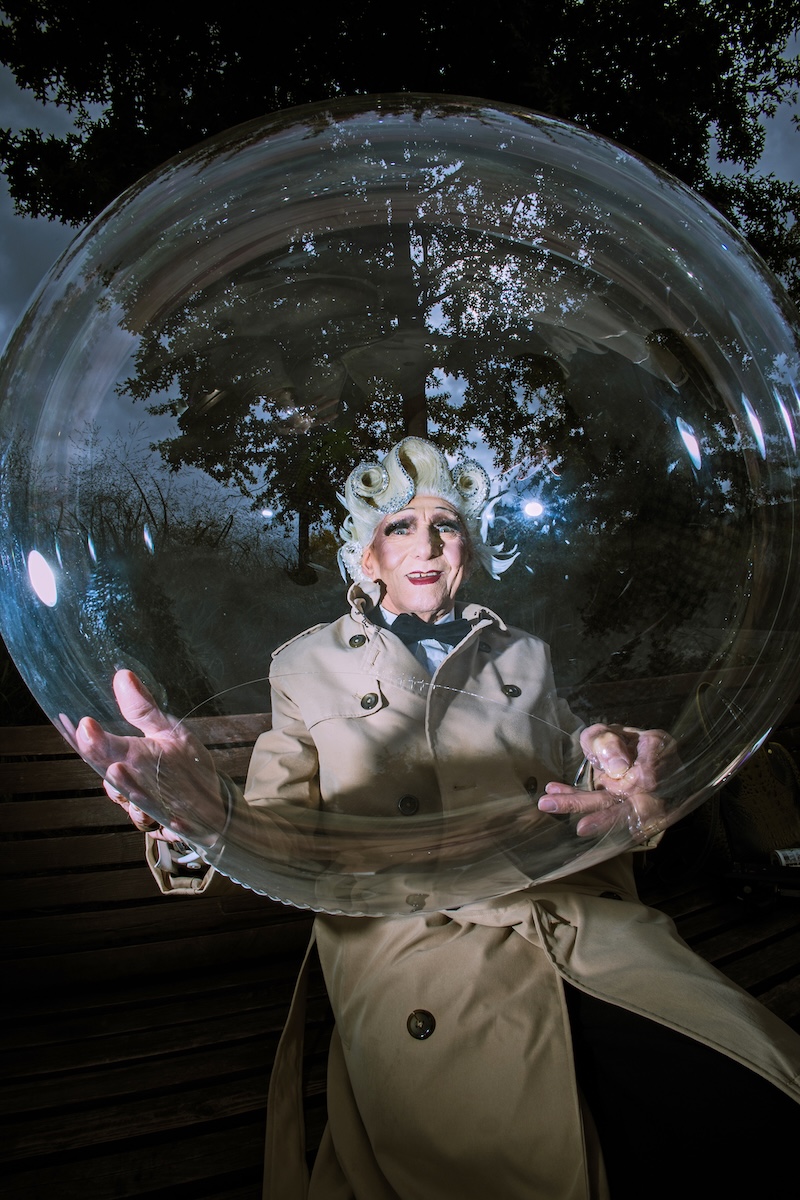
In May 2022, Boylesque — the documentary about Lulla’s life — won an award at a film festival in Canada. “I applauded like crazy at home,” Lulla laughs. She didn’t see the finished film until the Kraków premiere a month later. Director Bogna Kowalczyk had accompanied her for five years — in her apartment, grappling with aging and death, going to Pride in Berlin with friends, and at performances in Warsaw.

Photos: Marek Zimakiewicz
In 2024, Lulla published an interview book about her life with journalist Wiktor Krajewski. Since the release of the film and book, Andrzej gets recognized while shopping or on the metro — young people ask for autographs and photos. After a TV interview, he received a call from a childhood friend from primary school that had tracked him down through the phone book. They hadn’t seen each other since the 1940s.
Sometimes Lulla calls all these events coincidence, other times destiny. And in certain moments, pride shines through.
“It makes me happy to see that people are interested. I don’t know how much longer I’ll live, but some things remain: the film, the book, all the interviews, and the play Orlando. Biography in the Powszechny Theatre archives, which we’ve been performing for three years. I only wish my parents had lived to see it. I think they would be proud.”
“All Queers Should Come Out”
Andrzej says his parents always accepted him and his being gay: “I remember how my father sat my lover and me each on one knee, hugged us, and said he was happy to have two sons.” His openness about being gay runs through all his stories.
He is shaken by friends’ experiences of being thrown out of their homes. Some of them refused to appear in Boylesque, not wanting to be publicly recognized as queer.
Lulla believes all queers should come out.
“Hiding is a terrible thing; it weighs on you. It’s our shared responsibility to be brave.”
“The more of us are visible, the more society will accept us. Society is already more tolerant than it was twenty years ago.”
Photos: Marek Zimakiewicz
To older queers, Andrzej says: “I love waving the rainbow flag and walking down the street with it. If there are people out there older than me who aren’t out yet — come out! I’ll gladly take your hand and listen to how you see the world. Maybe it’s your last chance to show yourself — to your family, your neighbors, your local queer community, and to yourself.”
At the same time, Andrzej points to the rising suicide rate among queer youth in Poland. He empathizes with those still thrown out of their homes and says angrily: “What kind of parenting is that? Respect that you have a child who has the right to live their own life.”
In passing, Andrzej talks about an unpleasant experience he had a few weeks ago: a PiS politician complained on Instagram that while Poland lacks funds for healthcare, there’s money for TV interviews with Lulla. “What an idiot — how can you compare an interview to a 3.5 billion zloty deficit in healthcare? I didn’t get a penny for that interview. I wouldn’t shake his hand if I met him in the street.”
After nearly two hours, Lulla suddenly has to rush — she’s meeting that same friend, Maryla, with whom she bought her first sequined skirt back in 1987.
The authors thank Aga Molińska-Moliński for assistance with translation.
Read more articles from the Issue
Nothing Found
Criminalized and Invisible: The Long Fight of Queer Ukrainians
Conversion Practices in Germany: Violence in the Name of God
Valentyna Salon: Beauty Practices of the Ukrainian Queer Community
“There is a lot of shame in our community”
How Ukraine’s Queer Artists and Activists are Safeguarding LGBTQIA+ Memory in Wartime

Eastern Queerope Belarus: Stories of Resistance, Repression, and Cultural Renewal
Homophobia at the Core of Putinism’s Ideology
Strange Embrace: Paradoxes of Homosexual Desire in the Third Reich
Beauty as a Shelter: Ukrainian Women Rebuild Their Lives in Bucharest’s Salons

Angels from the East

Passing the Paintbrush: Historic Queer Jewish Artists in Berlin
Searching for Oneself at Random: How LGBTQI+ Communities Emerged in the Donetsk Region, 1991-2014

When We Stopped Hating Ourselves: Gay Life Under Persecution In Poland And Germany

How Queer Soldiers Shape Ukraine’s Defense And Future

Unsafe in The Country of Origin

The Bible, Putin, AfD: Four Misanthropic Myths to Abandon

Queer Resistance in Ukraine: Between War and Disinformation

No Safe Place

“A Place You Can Always Come To”: Shaping Polish Diasporic Queer Communities in Germany

Asylum Discourse: What Are “Safe” Countries of Origin for Queers?
19th Century ‘Friendships’ to 90s Drag: Eastern Queerope Returns
Queer Fronts
Moving Stories: LGBTQIA+ Ukrainian Refugees
Beyond the Binary
Queer Rights and Marriage Equality Under War, Authoritarianism, and Democracy
Gaps in Remembrance – Queer Biographies during National Socialism
Queer and Trans People Have Always Been Here. These Are Their Stories
New Stories from Eastern Queerope
Queerly Beloved: Romani Resistance Through the Ages
The Prisoners with the Pink Triangle
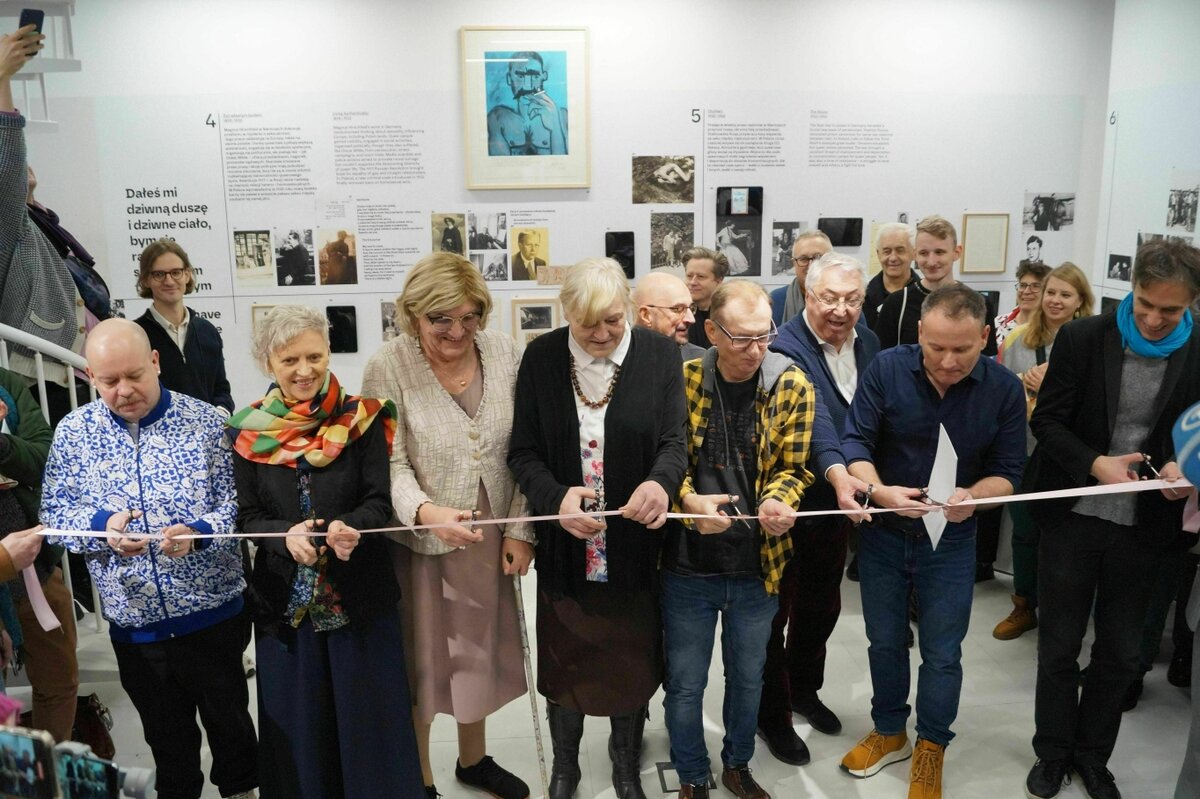
Intertwined Queer Stories: First LGBTIQ+ Museum in Eastern Europe
“The Smaller the Settlement, the Greater the Influence of Religion”: Belarusian Trans Non-Binary Activist in Poland
Queer Holocaust Voices – the Price of Silence
Forgotten Stories of Eastern European Queer Heroes
“I Accept Myself with All My Features”: Ukrainian Queer Person and Her Identity in Catholic Poland
Belarusian on Bisexuality, Theatre and Emigration
Shelters, Help and Support: How Uzhhorod Became a New Home for Queer People
Diversity in Brandenburg: Queers Take a Stand
Being Yourself. How Kharkiv’s LGBTQI Community Fights for Their Rights