Gaps in Remembrance – Queer Biographies during National Socialism
This audio piece was originally published on freie-radios.net
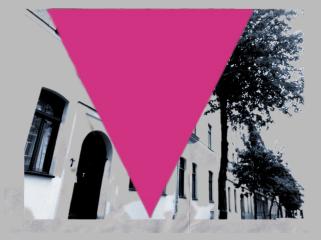
The In Halle, only a single stumbling stone commemorates the persecution of queer people during National Socialism – that of Kurt Koch. He was a worker, survived four concentration camps, and returned to Halle after liberation. After a brief heterosexual marriage shortly after the end of the war, he died in his hometown in the mid-1970s. Little is known about his life, and no photo of him could be found.
The case of Kurt Koch is representative of countless invisible and forgotten biographies of queer people. Their persecution was not recognised for a long time, and survivors were unable to speak openly about their experiences due to ongoing state oppression. Here is a search for clues.
The author thanks Radyo Modyan in Istanbul for the use of their studio.
The audio piece is available under the Creative Commons BY-NC-SA license.
Lücken im Gedenken - über queere Biographien im Nationalsozialismus
Read more articles from the Issue
Nothing Found
Criminalized and Invisible: The Long Fight of Queer Ukrainians
Conversion Practices in Germany: Violence in the Name of God
Valentyna Salon: Beauty Practices of the Ukrainian Queer Community
“There is a lot of shame in our community”
How Ukraine’s Queer Artists and Activists are Safeguarding LGBTQIA+ Memory in Wartime

Eastern Queerope Belarus: Stories of Resistance, Repression, and Cultural Renewal

Homophobia at the Core of Putinism’s Ideology
Strange Embrace: Paradoxes of Homosexual Desire in the Third Reich
Beauty as a Shelter: Ukrainian Women Rebuild Their Lives in Bucharest’s Salons

Angels from the East

Passing the Paintbrush: Historic Queer Jewish Artists in Berlin
Searching for Oneself at Random: How LGBTQI+ Communities Emerged in the Donetsk Region, 1991-2014

“I Have Nothing to Hide”

When We Stopped Hating Ourselves: Gay Life Under Persecution In Poland And Germany

How Queer Soldiers Shape Ukraine’s Defense And Future

Unsafe in The Country of Origin

The Bible, Putin, AfD: Four Misanthropic Myths to Abandon

Queer Resistance in Ukraine: Between War and Disinformation

No Safe Place

“A Place You Can Always Come To”: Shaping Polish Diasporic Queer Communities in Germany
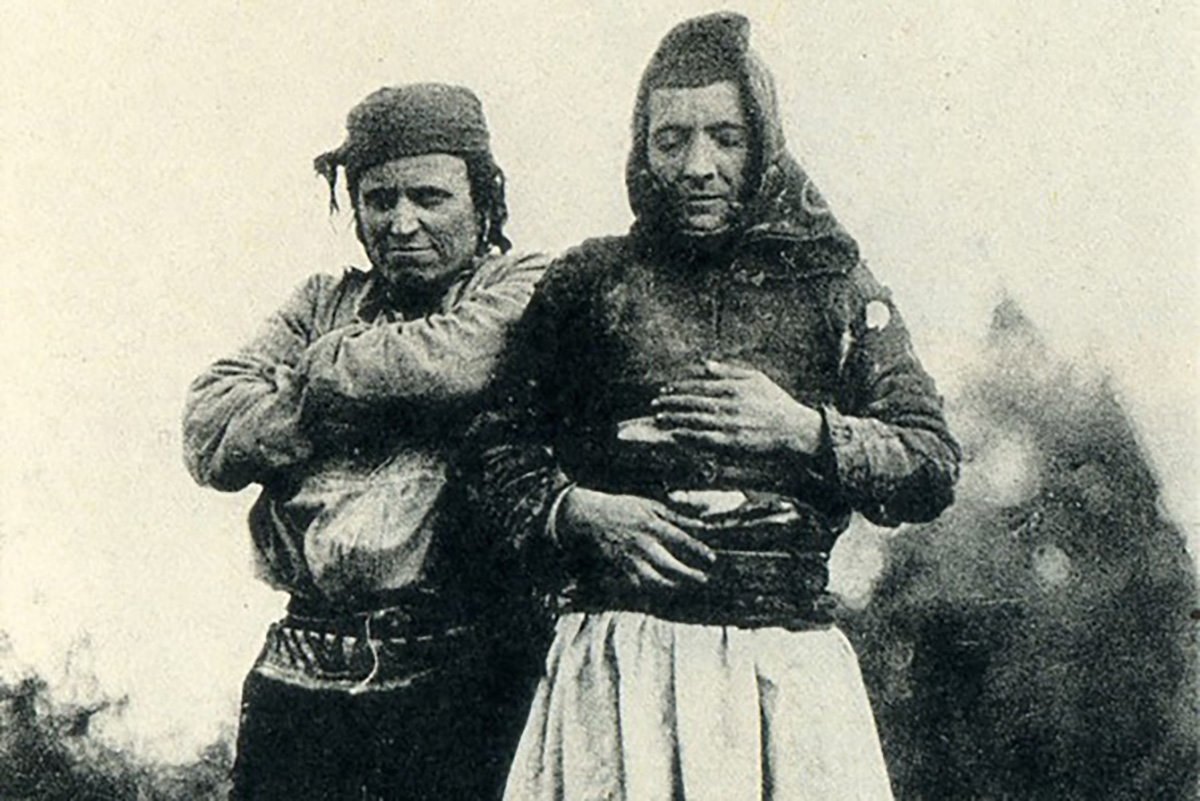
19th Century ‘Friendships’ to 90s Drag: Eastern Queerope Returns

Asylum Discourse: What Are “Safe” Countries of Origin for Queers?
Queer Fronts
Moving Stories: LGBTQIA+ Ukrainian Refugees
Beyond the Binary
Queer Rights and Marriage Equality Under War, Authoritarianism, and Democracy
Queer and Trans People Have Always Been Here. These Are Their Stories

New Stories from Eastern Queerope
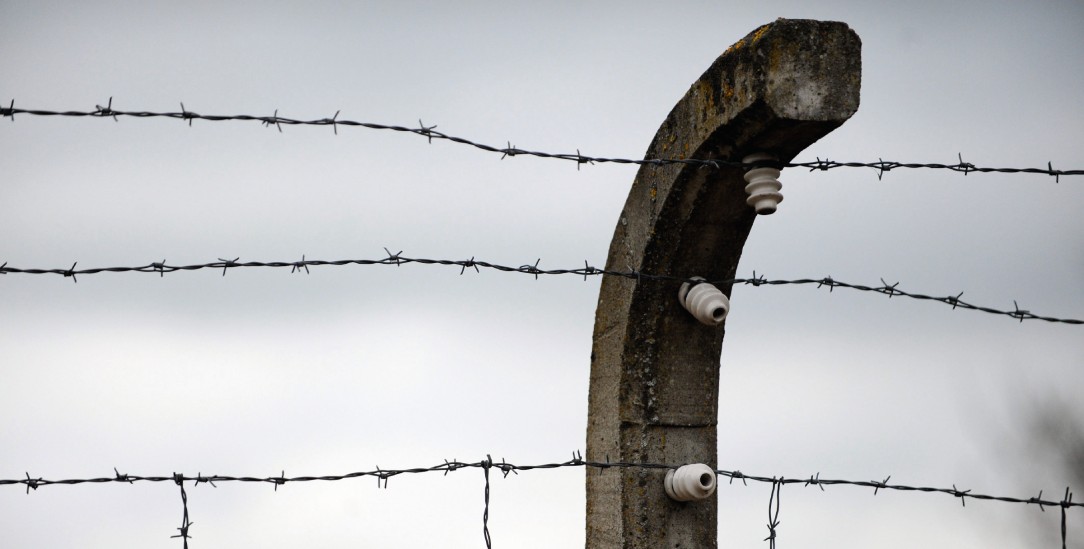
The Prisoners with the Pink Triangle
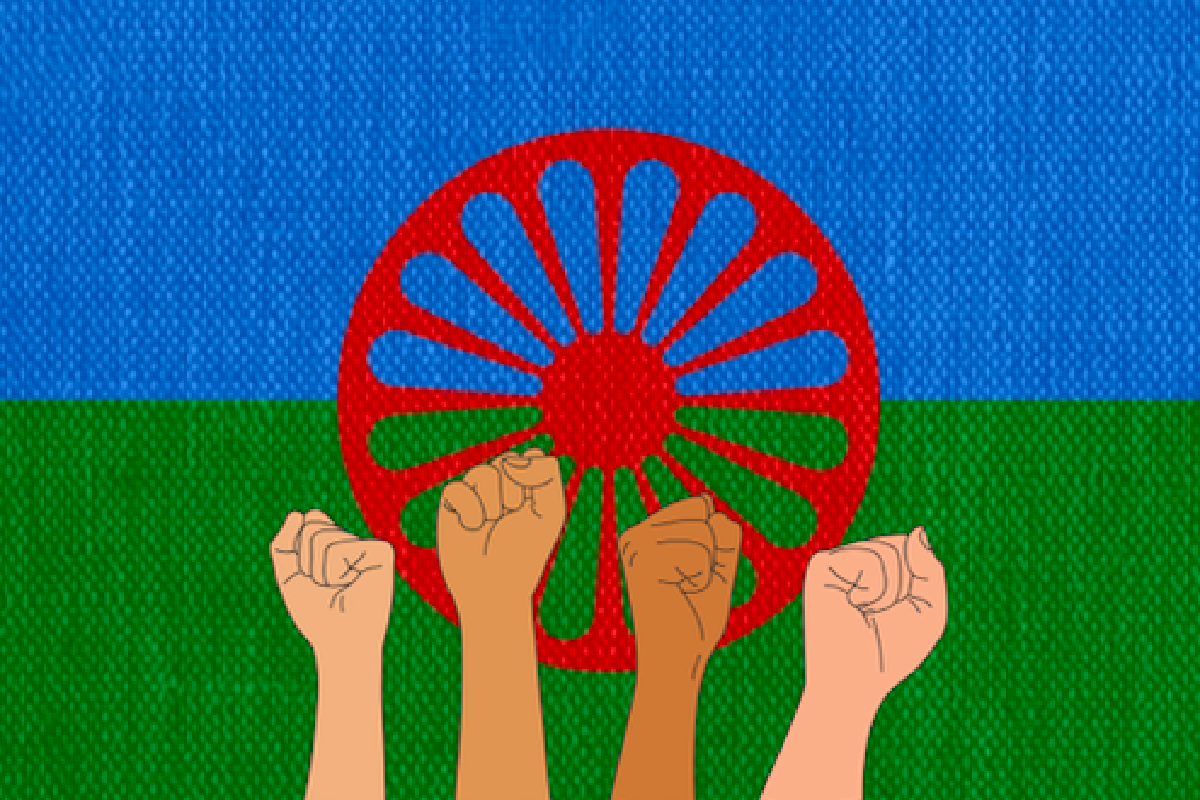
Queerly Beloved: Romani Resistance Through the Ages
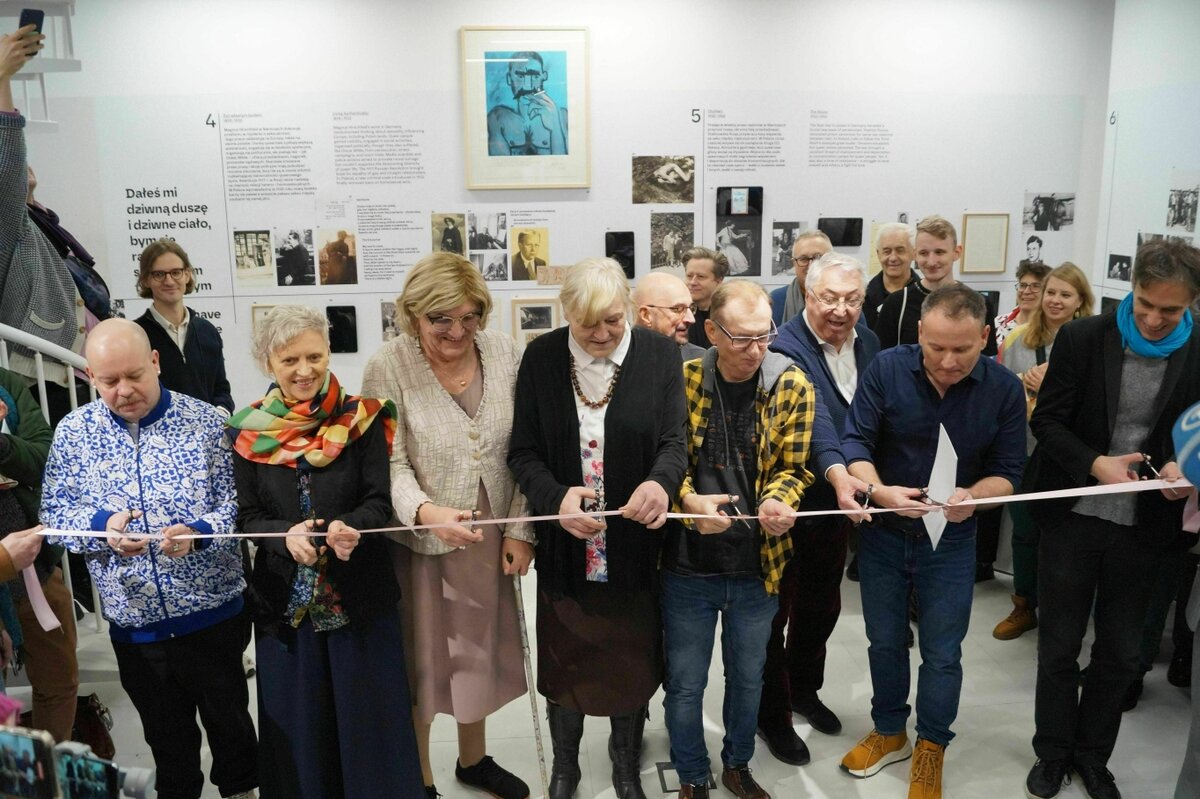
Intertwined Queer Stories: First LGBTIQ+ Museum in Eastern Europe
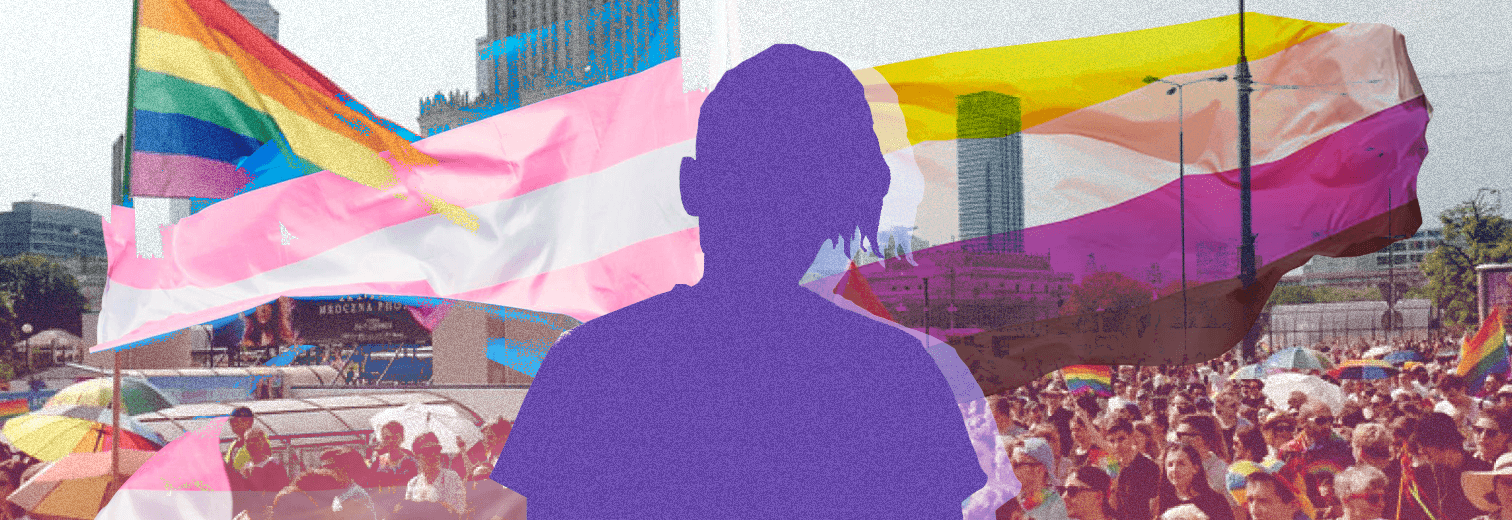
“The Smaller the Settlement, the Greater the Influence of Religion”: Belarusian Trans Non-Binary Activist in Poland
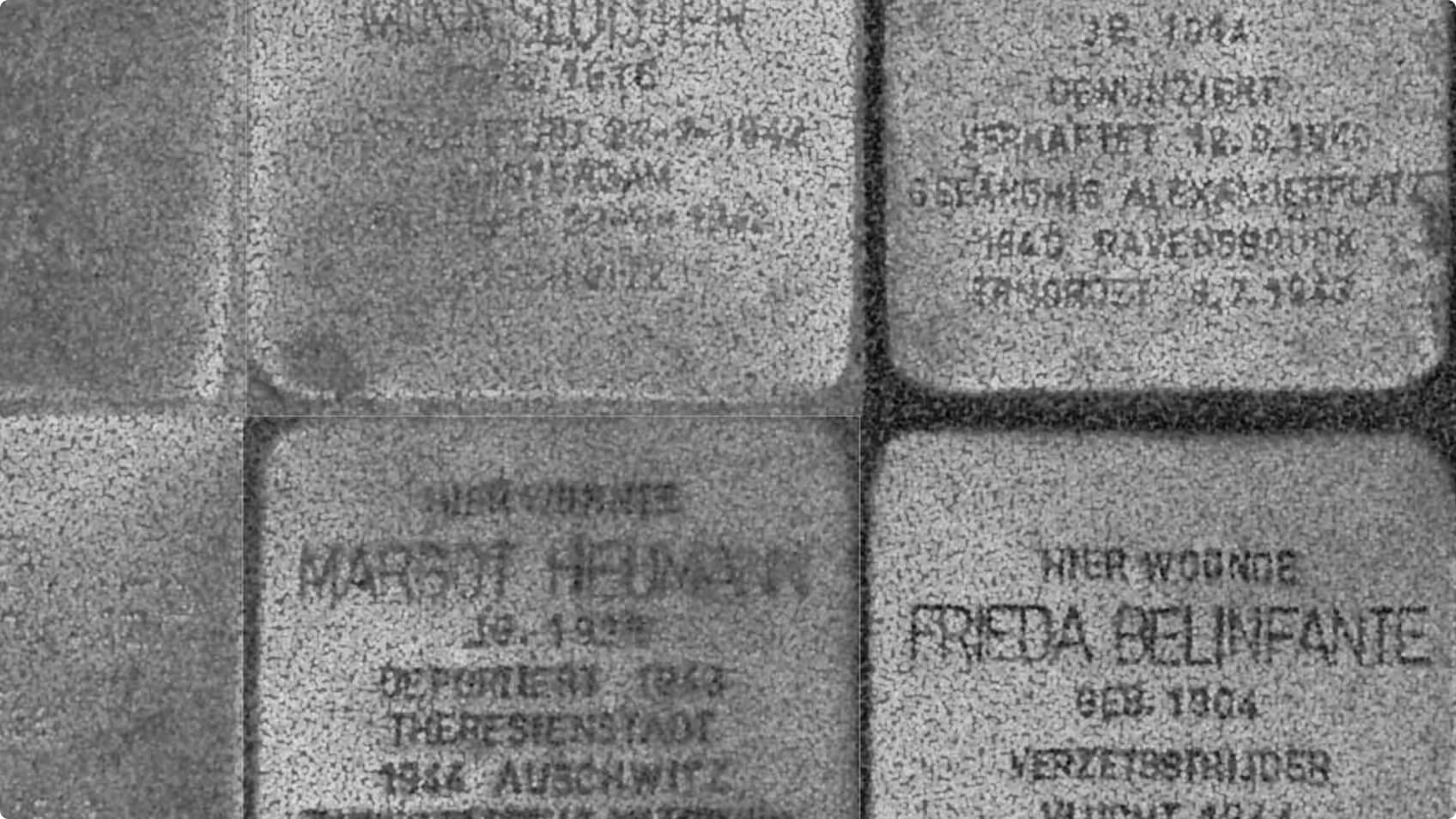
Queer Holocaust Voices – the Price of Silence
Forgotten Stories of Eastern European Queer Heroes
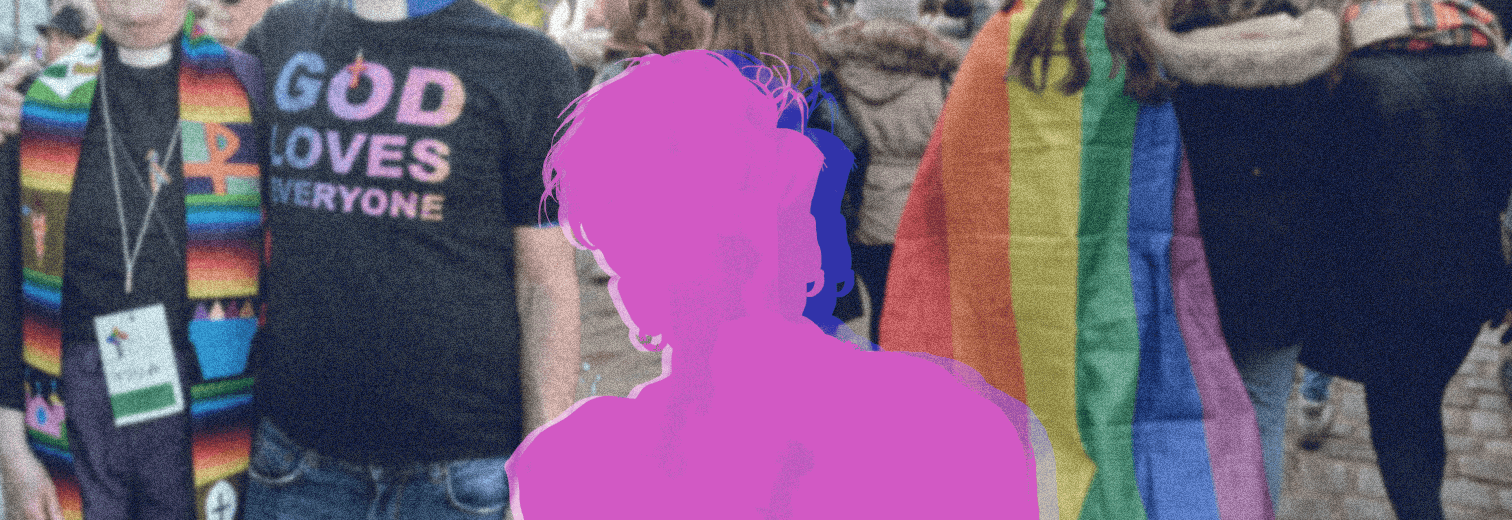
“I Accept Myself with All My Features”: Ukrainian Queer Person and Her Identity in Catholic Poland
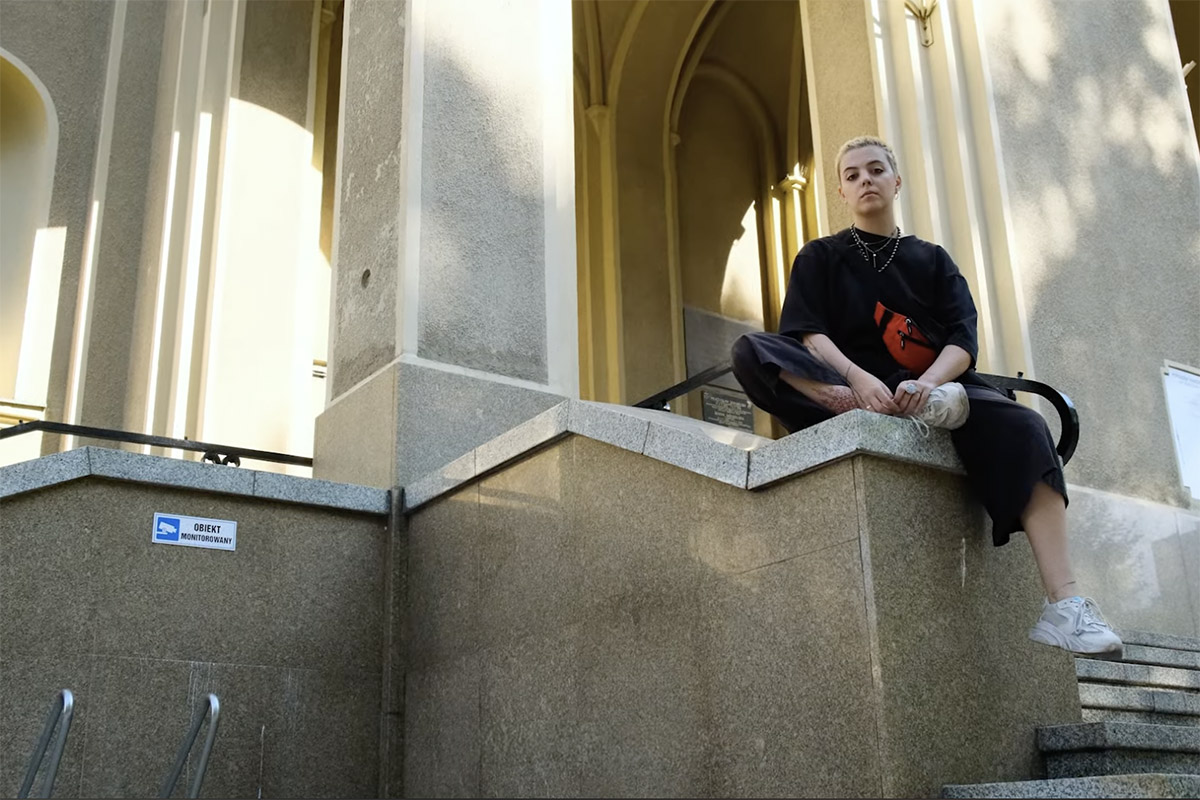
Belarusian on Bisexuality, Theatre and Emigration
Shelters, Help and Support: How Uzhhorod Became a New Home for Queer People
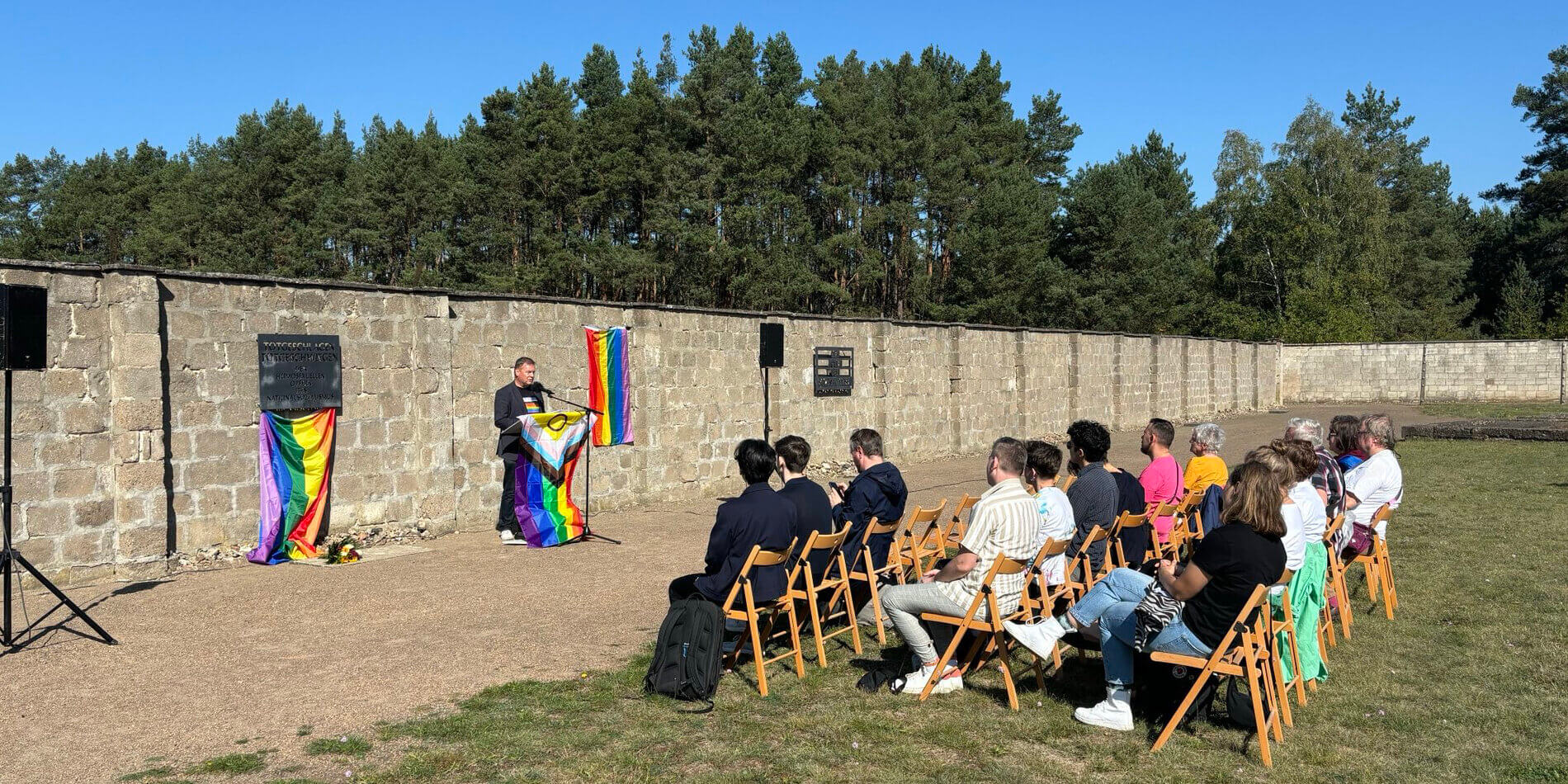
Diversity in Brandenburg: Queers Take a Stand
Being Yourself. How Kharkiv’s LGBTQI Community Fights for Their Rights